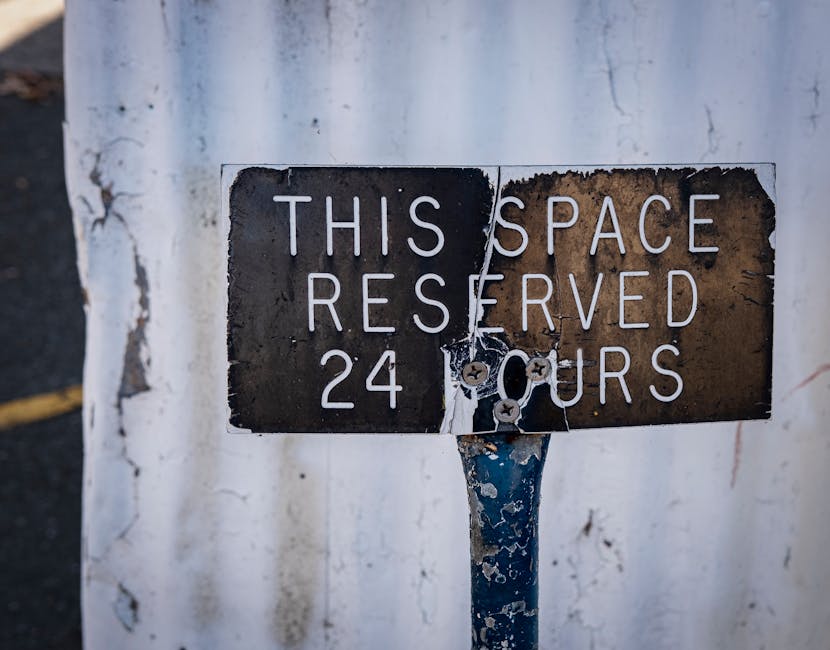
Wood Green N22 removals guide for parking permits and access
Posted on 01/05/2026
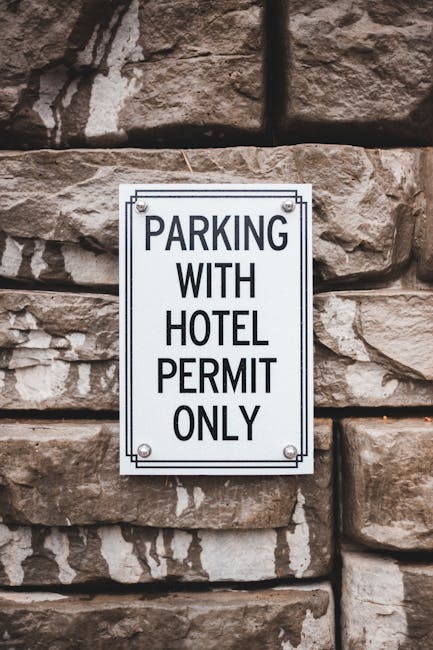
If you are planning a move in Wood Green, the parking side of the job can make or break the day. A van that cannot stop close enough, a permit that has not been arranged, or a blocked entrance with nowhere to wait can turn a straightforward removals job into a long, stressful shuffle of boxes. This Wood Green N22 removals guide for parking permits and access is here to help you avoid that mess.
Whether you are moving from a flat off Wood Green High Road, a family house near quieter residential streets, or an upper-floor property with a tight stairwell and limited kerb space, the same principle applies: plan access early. The more you understand about parking, loading bays, restricted streets, and building entry rules, the smoother your move will feel on the day. Truth be told, that is often where the real saving is.
In this guide, you will find practical steps for checking permits, preparing access for a removals team, reducing delays, and making sure your move in N22 feels organised rather than rushed. If you want to see how a local team approaches moves across the area, you can also look at the wider removals in Haringey service overview and the company's about us page for more background.
- Why parking permits and access matter in Wood Green N22
- How parking and access planning works
- Key benefits and practical advantages
- Who this guide is for
- Step-by-step guidance for move day
- Expert tips for smoother removals
- Common mistakes to avoid
- Tools, resources and recommendations
- Law, compliance and best practice
- Options and comparison table
- Real-world example
- Practical checklist
- Conclusion
- Frequently asked questions
Why Wood Green N22 removals guide for parking permits and access Matters
Wood Green is busy. That is not a criticism, just a fact of London life. Roads can be narrow, parking can disappear quickly, and access around homes and flats may be more awkward than it first looks. If your removals van cannot park safely near the property, everything else becomes harder: carrying furniture takes longer, the risk of damage increases, and your moving team can end up working against the clock instead of with a sensible plan.
Parking permits matter because they help you avoid unnecessary delays and, where relevant, penalties. Access matters because every property presents its own little puzzle: front steps, shared halls, timed entry windows, lift restrictions, controlled parking, yellow lines, or a low bridge of time pressure from the building manager. Once you know what you are dealing with, you can plan properly instead of doing the classic last-minute scramble. We have all seen that one neighbour's car sitting exactly where the van needs to be. Annoying, to be fair.
This is especially important if you are moving large furniture, using a man and van service in Haringey, or arranging a larger home move where the vehicle needs a clear loading position. It is also useful for people who are combining moving day with other services such as packing and boxes support or short-term storage in Haringey.
Expert summary: In Wood Green N22, the most reliable removals jobs are rarely the flashiest ones. They are the ones where parking, access, timing, and communication are sorted early. A ten-minute planning conversation can save an hour on the day.
How Wood Green N22 removals guide for parking permits and access Works
The process is usually simpler than people expect, but it does need attention. First, you identify where the vehicle will stop. Then you check whether the street is controlled, whether a permit is needed, whether there are loading restrictions, and whether the property itself has any access limitations. After that, you confirm the practical details with everyone involved: the removals team, the property owner or managing agent, and, if necessary, the local authority or parking service.
In plain English, you are answering three questions:
- Can the removals vehicle legally stop where it needs to?
- Can the crew get furniture in and out without avoidable obstacles?
- Is there a back-up plan if the first option is not available?
That back-up plan is often the difference between a calm move and a chaotic one. For example, if a bay is occupied or a permit is delayed, you may need a nearby loading space, a different arrival time, or a smaller vehicle. A flexible service such as removal van hire in Haringey or a tailored removal service can make those adjustments much easier.
Access is not just about the road outside. It includes door widths, staircases, lifts, intercoms, codes, courtyard gates, and whether the building allows move-ins at certain times. In flats especially, a small detail such as a lift booking slot can matter more than the parking space itself. If you are moving from a flat, take a look at the local flat removals service for more on how apartment moves are usually handled.
Key Benefits and Practical Advantages
Getting the parking and access side right does more than save time. It improves the whole moving experience. Small friction points add up quickly: ten minutes waiting for a space, fifteen minutes carrying a sofa around the block, another ten trying to open a gate, and suddenly the day feels like a marathon.
Here are the main advantages of planning properly:
- Less walking distance for the crew - furniture and boxes move faster when the van can park close to the entrance.
- Reduced risk of damage - fewer twists, turns, and awkward carries through tight spaces.
- Lower stress for you - there is less pressure to make quick decisions while people are standing in the hallway with a wardrobe panel.
- Better time management - especially useful if you have a key handover, a move-out deadline, or a same-day schedule.
- Cleaner communication - everyone knows where to go, what to expect, and what to do if the plan changes.
There is also a commercial benefit if you are comparing quotes. A move that is clearly planned is usually easier to estimate accurately. That makes pricing more transparent and helps you compare providers more sensibly. If you are still weighing up options, the page on pricing and quotes is a useful place to start.
And yes, a well-prepared move can even feel more respectful to neighbours. Fewer double-parking problems, fewer blocked driveways, fewer awkward apologies over the fence. A small thing, but it matters.
Who This Is For and When It Makes Sense
This guide is for anyone moving in or out of Wood Green N22 who wants to avoid parking headaches. That includes private tenants, homeowners, landlords, students, and businesses. It also helps if you are not moving the whole house at once and just need a smaller, well-timed job handled properly.
You will find it especially useful if you are:
- moving from a flat with limited street access;
- living on a road with permit parking or loading restrictions;
- moving a large amount of furniture or fragile items;
- working to a fixed key handover time;
- using a service like house removals in Haringey or office removals in Haringey;
- trying to organise a move with very little notice;
- planning a student move and only have a few awkward items to get out of a tight building.
It also makes sense if you are moving bulky or specialist items. For instance, a piano, wardrobe, or heavy dining table can turn a simple access issue into a genuine manual-handling problem. In those cases, a more specialist service like piano removals in Haringey or furniture removals may be the smarter route.
One small but common scenario: a tenant books a van, then finds out the building's loading bay is only available at certain times. If that is you, don't panic. It is fixable. It just needs a phone call, a bit of flexibility, and a willingness to adjust rather than hoping the day will sort itself out. Sadly, it rarely does.
Step-by-Step Guidance
Here is a straightforward way to handle permits and access without getting overwhelmed. Keep it simple. Then make it specific.
- Check the property location and road layout. Walk the street if you can, or use online maps to see parking bays, yellow lines, one-way systems, and possible stopping points. Look for anything that could affect a removals van on arrival.
- Ask the right access questions early. Is there a lift? Is there a service entrance? Are there stairs only? Do you need a fob, code, intercom, or porter approval? These details sound small, but they shape the whole move.
- Confirm whether a permit or suspension is needed. Depending on the street and the type of parking, you may need permission to stop or load. If you are not sure, check with the relevant local parking authority or ask your removals provider to advise on the usual process.
- Measure what matters. Measure the main door, stair turns, and any awkward hallways. If your sofa got into the property by a miracle of angles, it may not leave quite so easily.
- Book the vehicle size to fit the access. A larger van is not always better if parking is tight. Sometimes a smaller vehicle or a split-load approach is more practical.
- Prepare the loading point. Move your car, clear bins, ask neighbours not to block the area if appropriate, and keep the entrance open where possible.
- Keep documents and contacts handy. Have your booking details, permit reference, building manager number, and new address in one place.
- Build in a time buffer. A move that starts "on time" in London is usually a move that includes a little room for the unexpected.
If your move includes packing support, it can help to arrange boxes and labelling in advance so the team can load in a sensible order. You can explore more on packing and boxes in Haringey, which is especially useful for busy households trying to keep moving day under control.
Expert Tips for Better Results
A few practical tips can make a real difference, and most of them cost nothing.
- Use labelled "first out" boxes. Kettle, chargers, toiletries, bedding, and one change of clothes should be easy to find after arrival.
- Photograph the access route. A quick phone photo of stairs, entrances, and parking can help the removals team plan before they arrive.
- Keep the route clear inside the property. Shoes, plant pots, coat racks, and random clutter are the usual trip hazards.
- Check move-in and move-out time windows. Some buildings are more flexible than they first appear; others are not, and they really are not.
- Tell the team about awkward items early. Fridges, large mirrors, glass tables, and antique furniture may need special handling.
- Confirm if you need to reserve lift time. In flats, this one can save a huge amount of friction.
A useful rule of thumb: if something might slow the crew down, mention it before move day. Not after the van has parked and everyone is already carrying boxes up the stairs. That way lies frustration.
If you are choosing between service styles, the difference between a straightforward man with a van in Haringey and a fuller removals package may come down to access, item volume, and how much help you need on the day. For larger households, the broader Haringey removal company page can help you compare what is included.

Common Mistakes to Avoid
Most moving problems around parking and access are preventable. That is the annoying part, and also the reassuring part.
- Leaving parking until the day before. By then, your options may be limited.
- Assuming a van can "just stop" outside. In many parts of N22, that is not a safe assumption.
- Forgetting about building rules. Some landlords and managing agents have very specific move-in arrangements.
- Not checking loading bay height or turning space. A van might physically fit on the street but still be awkward to position.
- Ignoring the weather. Rain changes everything. Wet floors, slippery steps, and longer carries all add up.
- Overfilling boxes. Heavy boxes slow everything down and increase the risk of dropped items.
- Not telling neighbours. A bit of notice can reduce friction if access is shared.
One of the most common oversights is assuming access is the same for move-out and move-in. It may not be. A property that is easy to leave can be harder to enter, especially if the new building has different hours, different entry controls, or a narrower approach road.
If you want a move that feels less rushed and more controlled, it can also help to work with a provider that takes safety and planning seriously. The pages on insurance and safety and health and safety are worth reviewing if you want extra reassurance.
Tools, Resources and Recommendations
You do not need a huge toolkit to handle parking and access well. A few simple resources are enough.
- Online maps and street view for checking road width, parking bays, and gate positions.
- Your mobile phone for photos, messages, permit confirmations, and live updates on the day.
- Measuring tape for doors, lifts, stair turns, and bulky furniture.
- Box labels or coloured tape to keep the load organised and reduce confusion at the new property.
- Contact details for building management if your block has access rules or lift bookings.
- Removals booking notes so everyone knows the start time, access point, and any restrictions.
For more support beyond the day itself, it can help to explore related services such as house removals, flat removals, and student removals. Each one comes with different access pressures, and the right planning approach changes with the property type.
If you are still comparing providers, the broader services overview is useful for seeing how each option fits into a move. And if you need a fast response, the page on same-day removals in Haringey may be relevant when timing is tight.
Law, Compliance, Standards, or Best Practice
Parking and access for removals in London can involve local parking controls, private property rules, and general road safety expectations. The exact permit or loading rules will depend on the street, the borough, and the property. Because local arrangements can change, the safest approach is to confirm the current requirements directly with the relevant authority or property manager rather than relying on assumptions or old advice.
From a best-practice point of view, a good removals plan should always consider:
- whether stopping or waiting is allowed in the chosen location;
- whether the vehicle can load safely without blocking access;
- whether building rules allow a move at the chosen time;
- whether the crew has enough room to work without creating avoidable hazards;
- whether items are handled in a way that reduces risk to people and property.
That is where professional standards matter. A reputable removals provider should be clear about insurance, care of belongings, and safe lifting practices. If you are assessing credibility, the company's pages on terms and conditions, privacy policy, and payment and security can help you understand how they operate. Not glamorous reading, maybe, but useful. Very useful.
For environmentally conscious moves, you may also want to consider reuse and disposal. A local service with a recycling and sustainability focus can help reduce waste when you are decluttering before moving day.
Options, Methods, or Comparison Table
There is more than one way to handle parking and access. The right choice depends on your property, the amount you are moving, and how much help you want. Here is a practical comparison.
| Option | Best for | Strengths | Things to watch |
|---|---|---|---|
| Full removals service | Larger homes, family moves, complex access | More hands, better planning, easier heavy lifting | Usually more expensive than a small van-only job |
| Man and van | Smaller moves, student jobs, flexible schedules | Cost-effective, agile in tighter streets | May not suit large furniture or big loading needs |
| Dedicated removal van | Medium-sized moves with specific timing | Focused transport and clearer vehicle planning | Access still needs to be checked carefully |
| Storage plus staged move | Moves with timing gaps or decluttering | Reduces pressure if handover dates do not line up | Requires more coordination and packing discipline |
If you are handling a more substantial move, the right fit is often a combination of transport, packing help, and access planning. If you are in doubt, comparing the move type against your property layout is smarter than trying to force everything into one standard solution.
Case Study or Real-World Example
Here is a realistic example from the kind of move that happens all the time in Wood Green.
A couple moving out of a first-floor flat near the High Road had a tight handover window and a shared entrance with no on-site loading area. The street was busy by morning, and they initially assumed the van could stop right outside. It could not. Not safely, anyway.
Instead of leaving it to chance, they checked the access route two days earlier, spoke to the building contact, and arranged a shorter loading window. They also packed a separate essentials bag and moved smaller boxes to the hallway the night before. On moving day, the van parked a little further along the road, the crew used trolleys for the heavier boxes, and the move stayed on schedule. Was it perfect? No. There was still a brief wait while a delivery vehicle cleared the road. But the important bit is this: the delay stayed brief because the plan already existed.
That is what good access planning does. It does not remove every inconvenience. It stops inconveniences becoming problems.
For that kind of move, a local team that understands the area can make the process less guessy. If you want to learn more about the company's approach to local moves, the Haringey removals page for N4 and nearby areas is a helpful companion read, especially if your move crosses neighbourhoods.
Practical Checklist
Use this checklist in the final week before moving day. It is not fancy, but it works.
- Confirm the moving date, arrival time, and property access details.
- Check whether a parking permit, bay suspension, or loading arrangement is needed.
- Measure doors, stairs, lift access, and any awkward furniture.
- Notify the building manager or landlord if required.
- Tell neighbours if access may briefly affect shared spaces.
- Pack an essentials bag for the first night.
- Keep keys, codes, and contact numbers easy to reach.
- Label fragile or priority boxes clearly.
- Clear the path from rooms to exit points.
- Move your own car or arrange nearby parking if needed.
- Check weather forecasts and protect floors if rain is likely.
- Have a backup contact for the property, just in case.
Quick takeaway: if you can answer who, where, when, and how the van will access the property, you are already ahead of most stressful move-day surprises.
Conclusion
A successful move in Wood Green is rarely about luck. It is about sorting the practical stuff before it becomes urgent, especially parking permits and property access. Once those pieces are in place, the rest of the move tends to feel more manageable, even on a busy London street with not much room to spare.
The best approach is simple: check the road, confirm access, plan the vehicle, and keep everyone informed. That includes the removals team, the building contact, and anyone else who may need to open a gate, a lift, or a front door at the right moment. Small coordination, big difference.
If you want help planning a smoother move, compare your needs with the available removal services, review the local man and van option, and get in touch through the contact page when you are ready to talk through the details.
Get a free quote today and see how much you can save.
In the end, a well-planned move feels lighter. Not because the boxes weigh less, but because you are not carrying worry along with them.