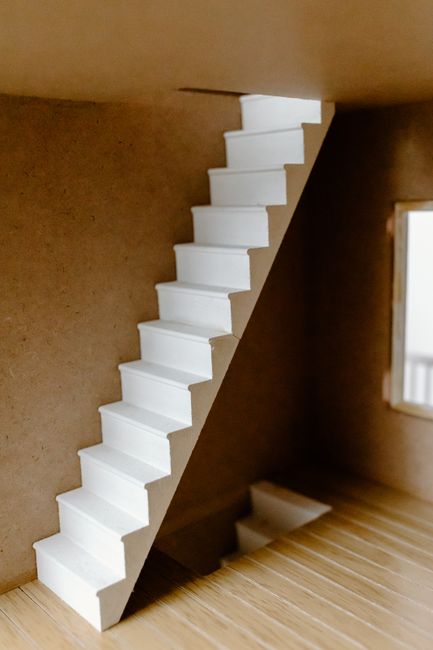
Small staircases common problems for Haringey house removals
If you have ever tried to move a sofa down a narrow stairwell, you will already know the feeling: the room suddenly gets quieter, everyone starts measuring with their eyes, and the stairs look about two inches smaller than they did five minutes ago. That is exactly why small staircases common problems for Haringey house removals are such a real issue for local moves. In Haringey, older terraces, converted flats and compact maisonettes often have tight turns, steep rises and awkward landings that make ordinary moving day feel a bit like a puzzle with a backache attached.
This guide breaks down what actually goes wrong, why it matters, and how to plan around it without turning your move into a stressful shuffle of scratched walls, stuck furniture and last-minute panic. You will find practical steps, a comparison of moving options, a realistic example, and a checklist you can use before the van even arrives.
Table of Contents
- Why small staircases matter in Haringey house removals
- How the moving process changes around tight stairs
- Key benefits of planning ahead
- Who this is for and when it makes sense
- Step-by-step guidance
- Expert tips for better results
- Common mistakes to avoid
- Tools, resources and recommendations
- Law, compliance, standards and best practice
- Options, methods and comparison table
- Case study or real-world example
- Practical checklist
- Conclusion
- Frequently Asked Questions
Why small staircases matter in Haringey house removals
Small staircases are not just a minor inconvenience. They affect the whole rhythm of a move. A standard house removal relies on clear access, safe lifting angles and enough space to rotate bulky items. When a staircase is narrow, steep or boxed in by railings and sharp corners, those basics disappear quickly.
In Haringey, this comes up often in converted Victorian properties, purpose-built flats with tight communal stairs, and houses where the front door opens directly onto a small hallway. One awkward bend can change the plan for the entire day. A wardrobe that looked manageable in the living room may become impossible once it reaches the second step. A bed frame may need to be dismantled. Even a simple chest of drawers can catch on a banister, especially if the staircase is boxed in by walls on both sides.
The main issue is not only size. It is shape. Small staircases often combine several challenges at once: limited headroom, low ceilings above the turning point, narrow treads, restricted grip space, and limited room for two people to move safely around each other. The result? More time, more care, and more chance of damage if the move is rushed.
It also affects stress levels. People underestimate how quickly frustration builds when a mover has to keep stopping, re-angling, or backing out of a stairwell. And let's face it, nobody wants that tense moment where the sofa is suspended halfway up the stairs while everyone tries to agree on the next move.
house removals in tight properties usually need a more cautious plan than a standard straight-in, straight-out move. That is normal. It does not mean the move is doomed. It just means the staircase deserves proper attention from the start.
How small staircases common problems for Haringey house removals works
Once a removal team knows the staircase is small, the move becomes a problem-solving exercise. The team will usually look at item size, turn radius, landing depth, banister position and whether furniture can be safely carried in one piece. Sometimes the answer is simple: go slowly and keep the piece upright. Other times it is more practical to dismantle furniture, use protective covers, or move items through a different entrance.
Here is what typically happens behind the scenes:
- Access is assessed before the move. The team checks stair width, height clearance, corners and any shared areas.
- Large items are measured against the route. This matters more than just measuring the furniture itself.
- Furniture is grouped by difficulty. Sofas, wardrobes, mattresses, pianos and white goods usually get priority.
- Protection is added. Floor runners, blankets and corner guards reduce the risk of chips and scuffs.
- Items may be dismantled. Beds, tables and some wardrobes move far more easily in parts.
- The route is adapted. Sometimes a rear entrance, balcony, or alternative internal path is safer than the main staircase.
That is the practical side. But there is a human side too. Tight stairs slow everyone down, and slow is not a bad word in removals. It is often the difference between a smooth day and a painful one. If you have ever heard a mover say, "We'll have to take this the long way," that is not indecision. It is experience speaking.
It is also worth saying that a move with small stairs is not always about brute strength. In fact, brute force is usually the worst answer. Good technique matters more: lifting in sync, using the right angle, and knowing when to pause rather than push through. A tidy, calm approach wins every time.
Key benefits and practical advantages
Planning properly for small staircases gives you more than just peace of mind. It improves the whole moving experience in ways that are easy to overlook until something goes wrong.
- Less damage to walls, bannisters and belongings. Narrow spaces leave very little margin for error.
- Faster loading and unloading overall. What seems slower at first often saves time because there are fewer surprises.
- Better safety for everyone involved. Moving awkward items down tight stairs is a common cause of strains and knocks.
- More accurate quotes and scheduling. If the access is known in advance, the move can be planned properly.
- Fewer last-minute dilemmas. You are less likely to discover that the wardrobe will not make the turn after the van has already arrived.
There is also a less obvious benefit: confidence. When the staircase problem has been thought through, the whole move feels calmer. People make better decisions when they are not improvising under pressure. That applies whether you are moving a one-bedroom flat, a family home or a small office with archived files stacked everywhere, which is its own special headache, honestly.
If you are comparing support options, it can help to look at the broader range of removal services available, especially where access is tight and extra handling is likely.
Who this is for and when it makes sense
This issue matters to a lot more people than you might think. Small staircases are not just a flat-moving problem. They affect anyone moving through older or compact properties.
- Homeowners in terraced or converted properties. Many Haringey homes have charming layouts and awkward stairs in equal measure.
- Tenants in upper-floor flats. Shared stairwells can be narrow, bendy and not especially forgiving.
- Students moving into or out of shared accommodation. Student moves often involve small rooms, quick turnarounds and furniture that never seems to fit anywhere.
- Families moving larger furniture. Staircases become a bigger issue when the items are bulky and the move includes beds, wardrobes or appliances.
- People with heavy or delicate items. Think mirrors, bookcases, pianos, glass tables and antique pieces.
It makes sense to plan around staircase limits when any of the following are true:
- the stairs have a sharp turn or a very tight landing
- the property has low ceilings or sloping walls near the stairwell
- the item cannot be safely carried upright without hitting the ceiling
- the furniture is too heavy or too awkward for one person to steady alone
- there is a risk of blocking shared access for neighbours
If your move includes a flat with tight access, it may be worth looking at flat removals as well, because flat-based moves often bring the same stair-related issues, just with a bit more communal pressure from the neighbours.
Step-by-step guidance
Here is a straightforward way to handle a move where the staircase is likely to cause problems. No drama, just a sensible sequence.
- Measure the stairwell properly. Width, height, landing size and turning space all matter. A quick glance is not enough.
- Measure the awkward items, not just the biggest ones. A small but oddly shaped item can be harder to move than something larger and more regular.
- List anything that can be dismantled. Beds, tables, shelving and some sofas usually benefit from being taken apart before move day.
- Check whether an alternative route exists. A back entrance, side access or balcony may be the better path.
- Protect the route in advance. Put down coverings where needed and clear the hallway completely.
- Pack with the staircase in mind. Make boxes manageable and avoid overfilling them.
- Tell the removal team about every awkward item early. Do not save the surprise until the truck is parked outside. That never goes down well.
- Decide whether storage is needed. If access is too tight on the day, temporary storage can reduce pressure and keep the move moving.
One useful habit is to walk the route yourself the day before. Open the doors. Stand at the base of the stairs. Look at the corners from a mover's point of view. You will often spot the real issue in under a minute.
If you need packing help before the move, packing and boxes support can make the whole thing more manageable, especially when you are trying to keep box sizes sensible for narrow stairs.
Expert tips for better results
To be fair, most problems with small staircases are avoidable if you plan well enough. Here are the details that make a real difference.
1. Prioritise the route, not just the van
People focus on the vehicle and forget the building. The route from the front door to the van can be the hardest part of the day. A van parked perfectly does not help if the staircase is the bottleneck.
2. Break down furniture earlier than you think
If a bed can be dismantled, do it before move day. If a shelf unit comes apart, do that too. Small staircases punish hesitation. Every extra centimetre matters.
3. Keep boxes compact and balanced
Heavy boxes are harder to carry through turns because they swing more and are harder to control. Use smaller boxes for books, kitchenware and anything dense. Yes, you will need more boxes. That is still better than one box that feels like it contains a mortgage.
4. Protect corners and banisters early
It is much easier to prevent marks than to explain a fresh chip in the paint after the move. Blankets and padding help, especially at turns and landings.
5. Leave room for a pause
Good movers do not rush every section of the stairwell. They stop, reset grip, and make sure the next movement is controlled. That tiny pause saves a lot of trouble.
6. Be honest about access
This one sounds obvious, but people sometimes underplay access problems because they worry it will complicate the quote. In reality, honesty helps the team bring the right equipment and the right number of people.
Common mistakes to avoid
Most stair-related moving issues come from a few familiar mistakes. Once you know them, they are easy enough to avoid.
- Not measuring the stairwell. "It should fit" is not a plan.
- Leaving large furniture assembled. This is one of the biggest causes of blocked turns and damaged walls.
- Overpacking boxes. Heavy boxes become awkward on stairs very quickly.
- Ignoring shared access. In communal buildings, a bad move can inconvenience neighbours and create unnecessary tension.
- Assuming the team can force items through. Forcing furniture is how things break. Simple as that.
- Not preparing for weather. Wet shoes and slippery steps are not a great mix. British moving day weather likes to remind everyone who is boss.
Another common mistake is planning the move around the front door alone. The front door is just the beginning. It is the staircase that decides whether the rest of the day feels easy or exhausting.
Tools, resources and recommendations
You do not need a van full of specialist kit to deal with small staircases, but a few practical tools make a big difference.
- Measuring tape. Use it for the furniture and the staircase route.
- Furniture blankets and padding. These help protect both the item and the property.
- Gloves with a firm grip. Better control is especially useful on narrow turns.
- Basic tools for dismantling furniture. Allen keys, screwdrivers and labelled bags for fittings are worth having ready.
- Floor protectors or runners. These are useful in shared hallways and polished staircases.
- Strong tape and labels. Good labels save time when the stairs are already slowing things down.
For larger or more complex moves, it may help to compare support options such as man and van, removals and moving truck arrangements. The right choice depends on access, volume and how much lifting is involved.
If timing is tight, same-day removals can sometimes help in urgent situations, though with small staircases it is still wise to be realistic about what can be done safely in one visit.
Law, compliance, standards and best practice
For home removals involving small staircases, the key point is simple: safety comes first. There is no prize for forcing an item through a narrow stairwell if it risks injury or damage. In the UK, moving teams are expected to work in line with sensible manual handling practices, reasonable care, and the duty to avoid unsafe lifting where possible.
Best practice usually includes:
- planning the route before lifting
- using enough people for heavy or awkward items
- avoiding loads that block vision on stairs
- keeping communal access clear where possible
- using protective materials where there is a risk of damage
- stopping if the lift becomes unsafe or uncontrolled
If you are moving in a shared building, it is also good manners, and practical common sense, to minimise obstruction in hallways and stairwells. A tidy route keeps neighbours happier and reduces the chance of complaints. For companies, that usually sits alongside internal health and safety policy standards and sensible working procedures.
Insurance matters too. When staircases are tight, the risk of scuffs, chips and accidental knocks rises. It is worth understanding the protection available through insurance and safety information before the move, especially if you are carrying valuable furniture or delicate pieces.
Good practice is not about overcomplicating things. It is about not gambling with the awkward bits.
Options, methods and comparison table
There is no single best method for every move. The right approach depends on the staircase, the item and the time available. Here is a simple comparison to help you think it through.
| Method | Best for | Pros | Limitations |
|---|---|---|---|
| Manual carry with protection | Smaller furniture, boxed items, short stair routes | Flexible and efficient | Still depends on the stair width and item shape |
| Dismantling furniture first | Wardrobes, beds, tables, shelving | Makes tight turns much easier | Needs time and the right tools |
| Using an alternative entrance | Properties with rear access or wider side routes | Can avoid the staircase problem entirely | Not every property has a usable alternative |
| Temporary storage | Moves with access issues or staggered timings | Reduces pressure on move day | Adds another step to the process |
| Specialist handling for very heavy items | Pianos, large appliances, antiques | Lower risk of damage | May require extra planning |
Sometimes the best decision is not to do everything in one go. That may sound annoying, but splitting the move can be the calmest option. For larger or more delicate jobs, piano removals and storage are both relevant considerations when stairs and access turn into the main obstacle.
Case study or real-world example
Imagine a second-floor flat in Haringey with a narrow internal staircase, one tight left-hand turn and a low ceiling near the top landing. The customer wants to move a double bed, a chest of drawers, a sofa and several boxes of books.
On paper, it sounds straightforward. In practice, the sofa is the troublemaker. The bed frame comes apart cleanly. The chest of drawers fits, just, with careful turning. But the sofa has arms that make it too wide for the bend unless it is angled just right.
So the team changes the plan. The sofa is measured against the stair route first, not moved last. The legs are removed, the route is padded, and one person guides from below while another steadies the top edge. It still takes time. There is no magic trick, just patience and coordination. But the sofa gets through without damage, and the customer avoids a much worse situation where the item gets stuck halfway.
That is the real lesson. Tight stairs do not always stop a move. They just punish poor planning.
A simple change, like dismantling one item earlier or switching the order of loading, can save an hour and a lot of stress. You notice the difference most at the end of the day, when the walls are still clean and nobody is nursing a strained shoulder.
Practical checklist
Use this before move day if you know the stairs are going to be tight.
- Measure staircase width, landing depth and headroom
- Measure every large item you want to move
- Identify furniture that can be dismantled
- Clear hallways, landings and doorways
- Protect corners, bannisters and floor surfaces
- Prepare tape, tools, labels and packing materials
- Keep box weights sensible
- Tell the moving team about awkward items in advance
- Check whether an alternative route exists
- Decide whether temporary storage would reduce pressure
- Leave enough time for the move, especially if access is shared
If you want a smoother overall move, it can also help to review home moves support early, especially where the staircase is only one of several things that could slow the day down.
Conclusion
Small staircases are one of the most common headaches in Haringey house removals, but they do not need to derail the whole move. Once you know the likely pinch points, you can plan around them with realistic measurements, the right equipment and a bit of patience. That is usually enough to turn a potentially messy day into a controlled one.
The big idea here is simple: do not treat the staircase as an afterthought. It is part of the move, not separate from it. If you prepare for it properly, you reduce damage, save time and make everyone's life easier. And honestly, that is a win worth having.
Get a free quote today and see how much you can save.
When the move is done and the last box is inside, the staircase will just be part of the story, not the problem that took over the day.
Frequently Asked Questions
What are the most common problems with small staircases during house removals?
The most common issues are tight turns, low ceilings, narrow landings, awkward banisters and furniture that is too bulky to rotate safely. These problems often show up only once the item is already on the stairs, which is why measuring first matters so much.
Can a sofa usually fit up a narrow staircase?
Sometimes yes, sometimes no. It depends on the sofa's shape, the stair width, the turn angle and the landing size. Sofas with rigid arms or large frames are usually the hardest. Dismantling the legs or removing cushions can help, but not always enough.
Should I dismantle furniture before a move with tight stairs?
In many cases, yes. Beds, tables, shelving and some wardrobes are far easier to move in parts. Dismantling early reduces pressure on the staircase and lowers the chance of scratching the walls or getting stuck halfway through a turn.
How do removal teams protect walls and bannisters on small staircases?
They usually use blankets, padding, floor runners and careful lifting technique. The goal is to create a controlled route and reduce contact with the property. On very tight stairs, protection is just as important as the lift itself.
Are small staircases a problem only for flats?
No. They are common in flats, but also in older houses, terraces, maisonettes and converted properties. In Haringey especially, a house can still have a very narrow internal staircase that causes just as much trouble as a flat block.
What should I tell my removal company before moving day?
Tell them about the staircase width, any awkward turns, low ceilings, shared entrances, heavy items and anything that can be dismantled. The more accurate the access information, the better the team can plan the job and bring the right equipment.
Is it safer to move items through a different entrance if possible?
Often yes. If a rear entrance, side access or balcony route is wider and safer, it may be the better option. That said, every property is different, so the safest route is the one that gives the best control, not just the shortest distance.
Do small staircases make removals more expensive?
They can, because they may require extra time, extra labour or more careful handling. The exact cost depends on the property layout and the items being moved. It is usually better to explain the access issue upfront than to deal with delays on the day.
What if my furniture does not fit and I cannot get it down the stairs?
If the item does not fit safely, the team may need to dismantle it further, use an alternative route, or move it into storage until a better solution is available. Forcing it through is not worth the risk of injury or damage.
Are pianos especially difficult on small staircases?
Yes, very often. Pianos are heavy, awkward and sensitive to damage, so stair access needs careful planning. They may require specialist handling and a route that has been checked properly in advance.
How can I make move day less stressful when access is tight?
Measure everything early, pack smaller boxes, dismantle furniture where possible and keep the route clear. The biggest stress saver is honest planning. Once the staircase issue is fully understood, the rest of the move tends to feel more manageable.
What is the best first step if I know my Haringey property has small stairs?
Start with a proper access check. Measure the staircase, identify any difficult turns and make a list of bulky items. After that, speak to the removal team with clear details so the move can be planned around the actual space, not assumptions.