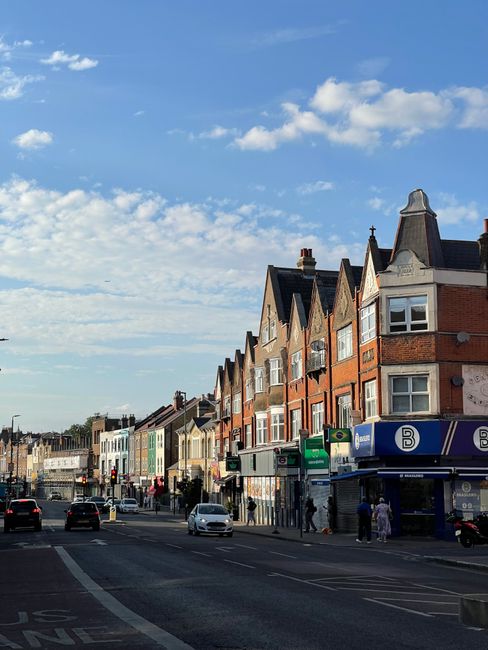
Permit requirements for Haringey removals on High Road
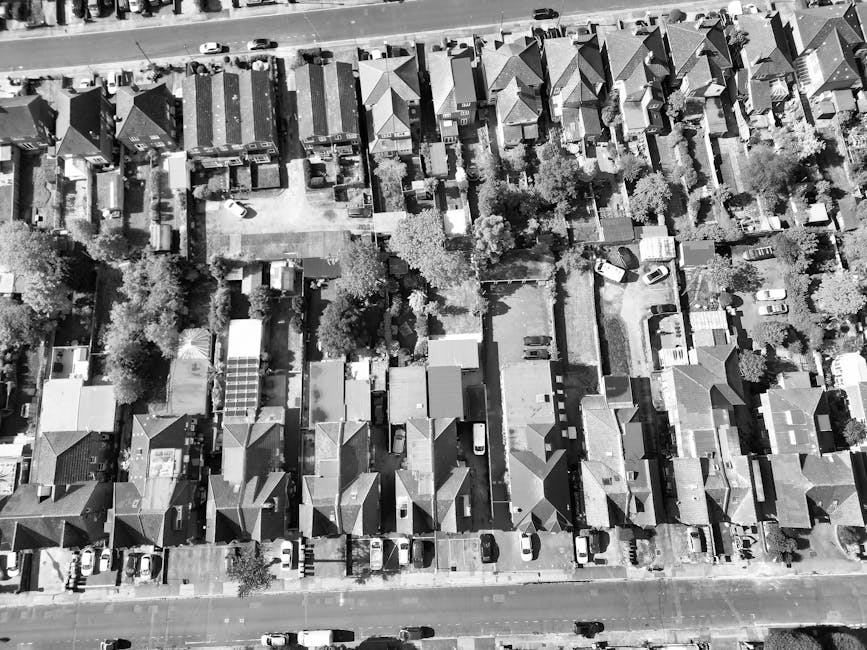
If you are planning a move on High Road in Haringey, the permit side of things can become the difference between a smooth moving day and a very awkward one. One missed parking rule, one narrow loading bay, one enforcement officer turning up at the wrong time - and suddenly your van is circling the block while the clock keeps ticking. That is why understanding the permit requirements for Haringey removals on High Road matters so much. In this guide, we will walk through what usually needs checking, how parking and access are typically handled, what can go wrong, and how to get organised without making your day harder than it needs to be.
You will also find practical steps, a comparison table, a checklist, and some plain-English advice drawn from the sort of real-world moving situations people run into on busy London streets. Truth be told, High Road can be bustling at the best of times. Add furniture, boxes, and a removal van, and things get interesting quickly.
- Why it matters
- How it works
- Key benefits and practical advantages
- Who this is for
- Step-by-step guidance
- Expert tips
- Common mistakes to avoid
- Tools, resources and recommendations
- Law, compliance and best practice
- Options and comparison
- Real-world example
- Practical checklist
- Conclusion
- Frequently asked questions
Why Permit requirements for Haringey removals on High Road Matters
High Road is not the kind of place where you can assume there will be easy, generous parking waiting for your removal van. It is a busy corridor, and that means traffic flow, restrictions, loading rules, and enforcement all matter. If you are moving house, shifting a flat, or clearing a business unit, the last thing you want is to discover too late that the vehicle cannot stop where you expected.
The permit question matters for three simple reasons. First, it helps avoid fines and enforcement headaches. Second, it protects your moving schedule from avoidable delays. Third, it reduces stress for everyone involved - the movers, the residents, and the neighbours who are trying to get on with their day. In our experience, a move goes much better when parking is sorted before the first box is lifted.
There is also a practical side people sometimes overlook: access. A removal crew may be perfectly capable, but if the van has to park two streets away, carry distances get longer, lift times increase, and fragile items are under more strain. On a tight urban road, that can turn a simple move into a long, tiring shuffle back and forth. Nobody wants that by mid-morning.
Key point: permit requirements are not just paperwork. They shape how the entire move operates on the day.
How Permit requirements for Haringey removals on High Road Works
At a basic level, permit requirements are about whether a removal vehicle can legally stop, wait, load, or unload in the location you need. Depending on the exact part of High Road, the type of vehicle, the time of day, and local parking controls, different rules may apply. Some areas allow short loading periods; others require a permit, timed restrictions, or off-street arrangements.
In practice, this usually means checking the road layout, identifying any bays or restrictions, and deciding whether your removal vehicle can use them legally and safely. If a permit is needed, it may need to be arranged in advance, and that is where people often get caught out. If you leave it until moving morning, you are already too late. Rather inconvenient, to put it mildly.
For a High Road move, the main questions are usually these:
- Is there legal loading access near the property?
- Is the road subject to waiting restrictions at the time of your move?
- Will a larger removal vehicle fit safely without blocking traffic?
- Do you need a council parking permission, a bay suspension, or simply a compliant loading plan?
- Are there any building rules, estate rules, or private access controls to consider as well?
That mix can feel a bit messy, because it often is. One street can have a different answer from the next. Even the same road may behave differently at 8 a.m. than it does at 2 p.m., especially in busier parts of London.
What people usually mean by a "permit"
In everyday moving language, "permit" can mean several things. It may refer to a council parking permit, a temporary loading permission, a bay reservation, or a special arrangement for a commercial vehicle. It can also mean a building-specific move-in booking, which is not technically the same thing but matters just as much if you need lift access or a timed loading slot.
That is why it helps to separate parking permission from building permission. They are related, but they are not identical. A van might be allowed to stop on the road while the building still requires advance notice for a lift or entrance booking. Miss either one, and the whole plan gets wobbly.
Key Benefits and Practical Advantages
Getting the permit side right is not glamorous, but it pays off immediately. Most benefits are practical rather than dramatic, which is exactly what you want on moving day.
- Fewer delays: Your van can park closer to the property, reducing wasted time and lifting distance.
- Lower risk of fines: Parking illegally, even for a short period, can become an expensive mistake.
- Less physical strain: Shorter carries are easier on the crew and safer for heavy items.
- Better schedule control: A proper access plan keeps the move moving.
- More predictable costs: Fewer delays often mean fewer extra hours and fewer knock-on charges.
- Less stress: You are not improvising while a delivery driver leans on the horn behind you.
There is also a quieter benefit: good planning tends to calm the entire day. People move better when they are not being rushed or second-guessing where the vehicle can go. That sounds obvious, but when the kettle is packed and the broadband is already off, obvious things can disappear fast.
Practical takeaway: The best permit plan is the one that makes the move feel boring in the right way - legal, tidy, and uneventful.
Who This Is For and When It Makes Sense
This matters to anyone moving to, from, or within High Road where parking is tight or access is controlled. That includes homeowners, tenants, landlords, estate agents, office managers, shop owners, and anyone arranging a removal on a road where stopping casually is not really an option.
It makes especially good sense if any of the following apply:
- You are using a larger removal van or truck.
- You expect the move to take more than a quick handover.
- Your property is on or near a busy stretch of road.
- There is no private driveway, yard, or rear access.
- You need to use loading bays, suspension arrangements, or timed access windows.
- The building has strict move-in or move-out booking rules.
- You are moving bulky items, such as furniture, appliances, or a piano.
A small studio move is not always the same as a full family house move. Nor is an office relocation the same as a one-room flat shift. That is where good judgement matters. Sometimes a simple man-and-van setup is enough. Sometimes you need a full-scale removal plan with parking sorted well in advance. It depends on the building, the street, and how much you are moving.
If you are comparing different move types, pages like home moves, flat removals, and office removals can help you think through the practical side of the job. Different settings bring different access headaches, and that part is easy to underestimate.
Step-by-Step Guidance
If you want a clean process, it helps to treat parking and permit planning as part of the move, not an afterthought. Here is a sensible way to handle it.
- Check the exact address and road position. High Road is long enough that not every segment behaves the same. Note the building entrance, nearby junctions, and whether there is a loading bay or any clear stopping area.
- Look at the timing of your move. Morning traffic, school runs, rush hour, and local events can all change access conditions. A route that seems easy at midday may be awkward early on.
- Confirm whether any parking restrictions apply. This includes yellow lines, loading restrictions, bays, single or double yellows, resident-only areas, and time-limited stopping rules.
- Find out whether a permit or temporary permission is needed. If the move depends on legal roadside stopping, do not assume it will be fine "for a few minutes." That is how people get stung.
- Check building rules as well. Some blocks need lift booking, porter notification, insurance details, or a set move window.
- Plan vehicle size carefully. A larger truck may reduce trips, but it can also create more access pressure. Sometimes a slightly smaller vehicle is the smarter choice.
- Build in a buffer. Aim to have the vehicle in position before the main lifting starts, not after everyone has arrived and is waiting around.
- Prepare a backup plan. If the nearest space is unavailable, decide where the vehicle can safely wait while you reassess.
One small but useful habit: keep the moving contact person reachable on the day. A quick call can save 20 minutes of wandering, and 20 minutes is no small thing when everyone is carrying wardrobe boxes down a staircase that seems to get narrower by the minute.
A simple decision rule
If the vehicle cannot legally and safely stop within a practical carrying distance of the property, you probably need a better parking plan. That may mean a permit, a booked bay, a time window, or an alternative unloading arrangement. Simple rule, but useful.
Expert Tips for Better Results
After enough removals, a pattern becomes obvious: the moves that feel easiest are the ones where access was thought about early. The actual lifting may be the same, but the day runs differently.
- Plan for the worst realistic parking scenario. If you think the van might not fit right outside, do not plan as if it definitely will. Hope is not a parking strategy.
- Use a loading-first mindset. Prioritise where the van can safely stop and unload before worrying about convenience.
- Keep documents handy. If any confirmation, booking reference, or permit information is issued, keep it accessible on the day.
- Think about neighbours and pedestrians. A move that blocks a pavement or doorway too long tends to create extra pressure. Better to be courteous and efficient.
- Allow for weather. Rain makes loading slower and more awkward. A wet High Road morning has a way of turning cardboard soft and everyone slightly grumpy.
- Use packing discipline. Good packing helps when access is tight because fewer trips and safer handling are needed.
If you need extra help with preparation, packing and boxes or packing and unpacking services can take pressure off the day. That may sound secondary, but in a tight street move, the fewer loose ends you have, the better.
Another tip: if your move involves furniture that will not pass easily through a narrow entrance or staircase, check for alternative access routes before the van arrives. A few minutes spent studying the entrance can save a world of lifting later on.
Common Mistakes to Avoid
Most permit-related problems are not mysterious. They are usually the result of one of a handful of familiar mistakes.
- Leaving parking checks until the last minute. This is the classic one. By the time the van is booked, you should already know whether the space is workable.
- Assuming "just loading" is automatically allowed. Sometimes it is, sometimes it is not, and the details matter.
- Ignoring the building. Many people focus on the road and forget the lift booking or access rules inside the property.
- Choosing vehicle size too late. A bigger van is not always better if the road is tight.
- Not checking for time-based restrictions. A bay may be usable at one time and unavailable at another.
- Failing to brief the moving team. Everyone should know where to park, where to wait, and what the fallback plan is.
There is a sneaky one too: not checking the destination as carefully as the origin. You can have a lovely loading setup at one end and a nightmare at the other. Moves are two-sided affairs. People forget that more often than you would think.
If you are trying to avoid unexpected costs, the article on avoiding hidden costs in Haringey removals is a useful companion read. Parking and access problems can feed directly into time overruns, so this is not just a side issue.
Tools, Resources and Recommendations
You do not need a huge toolkit to get this right, but a few practical resources make a big difference.
- Site photos: Take clear photos of the street, the building entrance, any bay markings, and any restriction signs. You can review them later when planning the vehicle position.
- Move notes: Write down the collection and delivery addresses, move time, access notes, and contact numbers in one place.
- Vehicle dimensions: Know roughly how long, tall, and wide the removal vehicle is. That matters more than people expect.
- Calendar reminders: Set reminders for any permit, booking, or building notice deadline.
- Floor plan or room list: Useful if you need to prioritise which items come out first.
For broader service planning, the following pages can help you understand the options available: removals, removal services, and man and van. If your move is bulky or awkward, removal van and moving truck pages can help you think about vehicle fit and access.
If you are moving something particularly heavy or delicate, it can also be worth looking at piano removals or furniture removals. Those jobs have their own access quirks, and the permit question becomes even more important when extra handling time is involved.
Law, Compliance, Standards, or Best Practice
We should be careful here. Permit and parking rules can vary depending on the exact location, the type of restriction, the council-controlled conditions, and the time of day. So the right approach is to verify the current position before the move rather than rely on assumptions or what worked for someone else last year.
From a best-practice point of view, the safest approach is to treat roadside access as something that needs confirmation, not improvisation. If a move requires stopping in a restricted area, getting the correct permission or arranging an alternative plan is the responsible route. It protects you, your removal team, and other road users.
There are also broader compliance points to keep in mind:
- Health and safety: The loading area should allow safe movement of people and items, without forcing crew members into unsafe lifting or traffic exposure. For more on this, see the site's health and safety policy.
- Insurance and care: Access problems can increase risk of damage if items are carried too far or rushed. The page on insurance and safety is useful if you want to understand how risks are handled.
- Environmental responsibility: If items need disposal or donation, it is better to plan that separately rather than leave it until the moving van is already loaded. The recycling and sustainability page is a good reference point for responsible disposal thinking.
One practical point often missed: a permit does not automatically solve every access issue. If a street is busy, the property is awkward, or the loading space is too short, you may still need a second plan. Compliance is the minimum; good planning goes further.
Options, Methods, or Comparison Table
When people are figuring out how to handle removals on High Road, they usually end up weighing a few different approaches. Here is a simple comparison that helps show the trade-offs.
| Approach | Best for | Pros | Watch-outs |
|---|---|---|---|
| On-street loading with permission | Moves with limited off-street access | Close to the property, efficient unloading, fewer carrying distances | Needs careful checking, may depend on timing and local rules |
| Private driveway or forecourt | Homes or buildings with their own space | More control, simpler vehicle positioning | Not always available, may still have width or turning limits |
| Timed building access only | Flats, estates, managed properties | Predictable entry windows, organised handover | Must match building rules and lift bookings exactly |
| Smaller vehicle plus shuttle loading | Tight roads or awkward access | More flexible parking, easier to position | May require more trips and better time planning |
For some High Road moves, a smaller vehicle is actually the smarter call. Not the flashiest one, maybe, but the one that fits the street and keeps the day moving. A bigger truck only helps if you can use it properly.
Case Study or Real-World Example
Here is a realistic scenario. A tenant is moving out of a flat near High Road with a few large pieces of furniture, several boxes, and a tight morning deadline because the new occupants are arriving later that day. The road is busy, the entrance is narrow, and the nearest unrestricted parking is not exactly outside the door. No one wants to carry a sofa half a city block.
What made the difference? They checked the access conditions the day before, confirmed where the van could stop, and made sure the moving crew knew the most likely unloading point. They also packed the essentials separately so nobody was rummaging through random boxes while the van waited. The actual lift was still a bit of a juggle - removals always are - but it stayed controlled. No running around, no last-minute guessing, no awkward "we thought it would be fine" moment.
Another common real-world example is a small business moving stock from an upper-floor unit. Here, the parking issue is not just about convenience. If the unloading point is poorly chosen, the team may lose time carrying goods through a public area, which adds both risk and disruption. In those cases, a clear parking and access plan is not a luxury. It is the move.
Practical Checklist
Use this checklist a day or two before the move. It keeps things simple, and simple is good.
- Confirm the exact collection and delivery address on High Road.
- Check whether the road has parking or loading restrictions at your move time.
- Decide whether you need a permit, bay arrangement, or alternative access plan.
- Check building rules for lift use, loading times, and entry codes.
- Measure large items that could affect loading speed or access.
- Choose a vehicle size that fits the road as well as the load.
- Prepare any booking references, permissions, or confirmations.
- Tell the moving team where to park and what the backup plan is.
- Keep a phone charged and available on moving day.
- Have a simple priority list for the items that must be loaded first.
- Plan for weather, traffic, and the small chaos that always arrives uninvited.
If the move is commercial, you may also want to review commercial moves and office relocation services. Business moves often have stricter timing, and they can be less forgiving if parking is not sorted early.
Conclusion
Permit requirements for Haringey removals on High Road are really about one thing: making the move work in the real world, not just on paper. If you understand the parking rules, confirm access in advance, and plan for the actual street conditions, you give yourself a much better chance of a calm, efficient day. That is true whether you are moving a studio flat, a family home, or a business space.
The best moves on busy London roads are rarely the ones that rely on luck. They are the ones where someone took the time to check the details, ask the awkward questions, and build in a bit of breathing room. It sounds unexciting. It is. And that is exactly why it works.
If you are still comparing options, browsing the company's pricing and quotes page can help you map out the next step with more confidence. A little planning now can save a lot of bother later.
Get a free quote today and see how much you can save.
Frequently Asked Questions
Do I always need a permit for removals on High Road in Haringey?
Not always. It depends on the exact part of High Road, the parking restrictions in place, the time of day, and whether the vehicle can stop legally without causing an issue. Some moves can use lawful loading arrangements, while others need a permit or a different access plan. The safest approach is to check before the move rather than assume it will be fine.
What happens if the removal van cannot park close to the property?
The crew may need to park farther away and carry items over a longer distance, which usually takes more time and increases strain. In some cases, that can affect the schedule and cost. It is better to solve the parking question early if possible.
Can I just stop for a few minutes to load boxes?
Sometimes, but not automatically. "Just a few minutes" is not a reliable rule if the road has restrictions. Loading may be permitted in some places and prohibited in others. Always check the local conditions for your specific spot.
How far in advance should I sort parking or permit arrangements?
As early as you can. A few days in advance is far better than trying to handle it on the morning of the move. If you are moving at a busy time or using a larger vehicle, earlier planning is even more useful.
Are flat moves on High Road harder than house moves?
Often, yes, because flats usually involve stairs, lift bookings, tighter entrances, or shared access areas. That does not mean they are difficult every time, but they do tend to need more careful planning around parking and timing.
What is the difference between a parking permit and building access permission?
A parking permit relates to where the vehicle can legally stop or wait on the road. Building access permission covers entry to the property itself, such as lift use, loading windows, or entrance booking. You may need one, the other, or both.
How do I know whether my vehicle is too big for High Road?
Think about both the vehicle size and the road conditions. If the street is narrow, busy, or heavily restricted, a larger vehicle may be awkward even if it can carry everything in one go. Sometimes a smaller van is easier to place and more efficient overall.
Can removal companies help with the permit side of things?
Many can help plan around access and advise what information they need from you, but the exact responsibility depends on the service and the arrangement. It is sensible to discuss the parking situation when booking so there are no surprises later.
What if I am moving on the same day as other people in the building?
That is where coordination matters. If several residents are moving at once, the loading area, lift use, and parking may all become busier. It helps to book early, communicate clearly, and leave some flexibility in the schedule.
Do commercial moves need the same permit checks as home moves?
Yes, and sometimes more. Offices and shops often have stricter timing, more items, and more pressure to keep disruptions low. If anything, commercial moves tend to benefit even more from careful parking and access planning.
What is the biggest mistake people make with removals on busy roads?
Assuming access will sort itself out on the day. It usually does not. The biggest wins come from checking restrictions, confirming the unloading point, and building in a backup plan before anyone starts carrying boxes.
Is it worth using a smaller vehicle if parking is difficult?
Very often, yes. A smaller vehicle can be easier to place on a tight road and may reduce the risk of delays. The trade-off is that you might need more trips, so the best option depends on the move size and the access conditions.