Haringey council rules for street parking during removals: what you need to know before moving day
If you are moving home or office in Haringey, the parking question can become the thing that throws everything off. The van arrives, the boxes are ready, someone is carrying a wardrobe frame, and then you realise the nearest space is already taken. That is exactly where Haringey council rules for street parking during removals matter. Get the parking side right and the day feels calmer, quicker, and far less chaotic. Get it wrong, and you can end up with delays, awkward double-parking, or even a parking penalty. Not ideal, to say the least.
This guide explains the practical side of removals parking in Haringey in plain English: what usually needs checking, how street parking arrangements work, what councils tend to expect, and how to prepare so the move runs smoothly. It is written for real moving days, not theory. The sort of day where the kettle is missing, the dog is stressed, and you are just trying to keep the sofa out of the rain.
For a broader look at moving support in the borough, you may also find the information on removals, home moves, and house removals helpful when planning the rest of your move.
Table of Contents
- Why Haringey council rules for street parking during removals matters
- How Haringey council rules for street parking during removals works
- Key benefits and practical advantages
- Who this is for and when it makes sense
- Step-by-step guidance
- Expert tips for better results
- Common mistakes to avoid
- Tools, resources and recommendations
- Law, compliance, standards, or best practice
- Options, methods, or comparison table
- Case study or real-world example
- Practical checklist
- Conclusion
- Frequently asked questions
Why Haringey council rules for street parking during removals Matters
On a moving day, parking is not just a convenience. It affects timing, labour, safety, and cost. If a removals vehicle cannot park close enough to the property, every box has to travel further. That means more walking, more lifting, and more chance of damage. A short gap suddenly becomes a long one. You feel it in the shoulders after ten minutes.
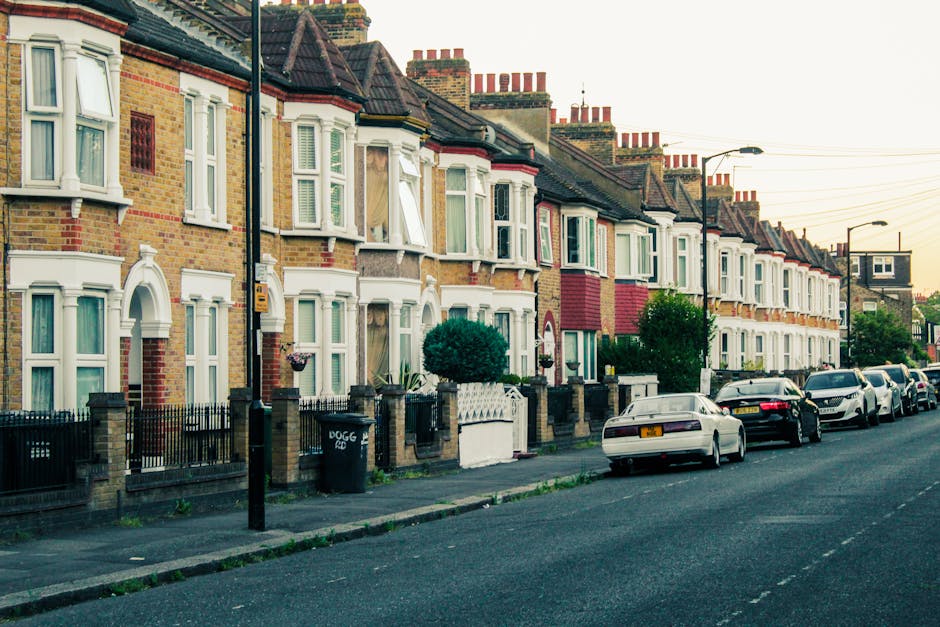
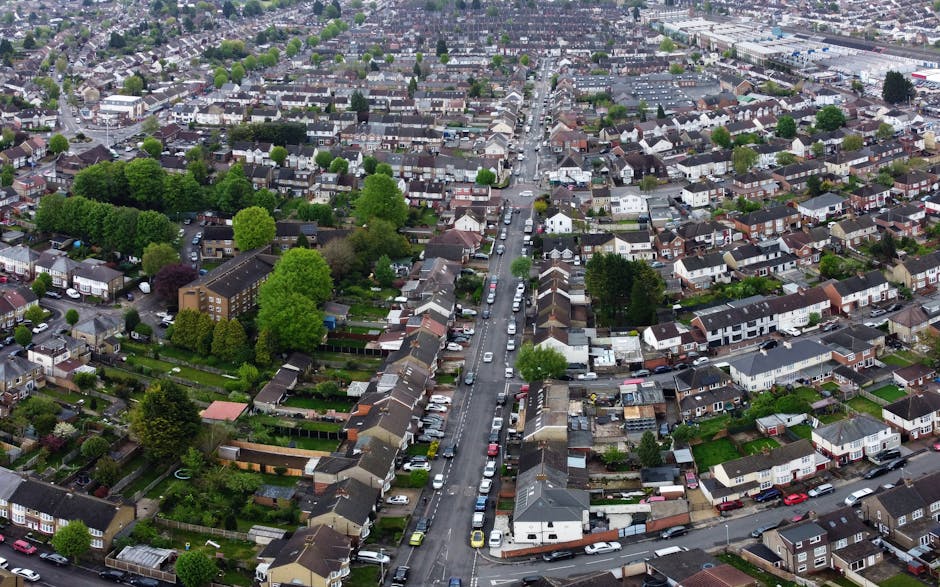
Haringey has a mix of busy high streets, permit-controlled residential roads, estates, and narrow one-way roads. In some streets, kerb space disappears early and there may be restrictions that affect where a removals van can stop. That is why the rules matter so much. A good move often starts with a simple question: where exactly can the vehicle stand while loading or unloading?
It also matters because many moving plans assume street parking will be available naturally. Often it is not. School runs, trades vans, delivery drivers, neighbours, and commuters all compete for the same space. If your move is in a tight part of the borough, the parking plan may be the difference between a smooth half-day move and one that drifts into the afternoon.
Expert summary: Treat parking as part of the moving job, not an afterthought. In practice, the best removals are the ones where access, loading distance, and timing are planned together from the start.
That is especially true for larger jobs such as office removals or more complex commercial moves, where vehicle access can affect more than one team and more than one deadline.
How Haringey council rules for street parking during removals Works
Street parking rules during removals usually fall into a few practical buckets. The exact arrangement depends on the street, the time of day, and whether any restriction already applies. In everyday terms, you are trying to answer three questions: can the removals vehicle stop here, for how long, and does anything need authorising first?
1. Check whether the street is restricted
Some roads have resident permit bays, pay-and-display spaces, single yellow lines, loading restrictions, or time-limited waiting rules. A removals van may be able to stop briefly in one place but not another. The detail matters. A bay that looks usable may still be controlled. That is the sort of thing that catches people out on a grey Tuesday morning when everyone is half awake.
2. Plan for loading or unloading access
Even where parking is allowed, you still need enough room for the vehicle to sit close to the property without blocking traffic or creating a safety issue. This is especially important on roads where a long vehicle might stick out into the carriageway or narrow the pavement access. Good planning is partly common sense, partly local awareness.
3. Consider whether special permission or temporary controls are needed
For some removals, people arrange temporary parking controls, bay suspensions, or other forms of managed access if permitted by the council. This is more likely on busy streets, during larger house moves, or when a removals truck needs a specific kerbside position. It is not something to leave to the morning of the move. Truth be told, the morning of the move is usually too late for any of the fiddly bits.
4. Coordinate timing with the removal team
Parking needs to match the arrival window. If the vehicle arrives before the street space is available, the team may circle the block or wait nearby. If it arrives too late, the rest of the schedule shifts. When you are using a man and van or removal van service, that timing is often even more important because the job may be structured around one vehicle and one crew.
The practical takeaway? Do not think only about the property itself. Think about the road, the bay, the distance to the front door, and the likely traffic at that time of day. Those are the little things that make the day feel either organised or oddly endless.
Key Benefits and Practical Advantages
Getting the street parking side sorted brings more benefits than people expect. It is one of those quiet admin tasks that pays you back in reduced stress and fewer surprises.
- Faster loading and unloading: less walking between the property and the vehicle means the team can keep momentum.
- Lower risk of damage: shorter carrying distances reduce the chance of bumping furniture, doors, or walls.
- Better safety: proper positioning helps avoid awkward manoeuvres, blocked paths, and rushed lifting.
- Less disruption for neighbours: a tidy parking plan is usually more considerate and easier to manage.
- More accurate scheduling: if the vehicle can park where planned, the moving timeline is more reliable.
- Potentially lower overall costs: fewer delays can mean fewer wasted minutes and less back-and-forth.
There is also a very human benefit: peace of mind. When you know the vehicle can stop close to the door, the rest of the job feels more manageable. One less thing to second-guess. And on moving day, that matters a lot.
If your move involves fragile items, you might want to pair parking planning with packing and boxes or packing and unpacking services so the whole process stays orderly from the first lift to the final unpacked mug.
Who This Is For and When It Makes Sense
This topic is relevant to almost anyone moving within Haringey, but some people feel the impact more sharply than others.
Home movers in residential streets
If you are moving from a terraced house, a flat on a busy road, or a property with limited front access, parking rules can shape the whole move. In some parts of Haringey, a van can park nearby but not right outside. That extra distance sounds minor. It usually is not.
Flat movers and those in shared buildings
People moving into or out of flats often need to think about stairwells, loading access, shared entrances, and nearby bays. If you are in a block, the lift may be small and the hallway narrow, so close parking becomes even more useful. It is one reason why flat removals often need slightly more planning than they first appear to.
Families with bulky items
Cots, wardrobes, mattresses, tables, and odd-shaped shelving units all take time. When the vehicle is parked close by, bulky items move safely and more efficiently. If not, the move turns into a relay race nobody wanted.
Business owners and offices
For commercial relocations, parking control becomes a coordination issue. Staff, suppliers, and building management may all need to know what the vehicle is doing and when. If that is your situation, the pages on office relocation services and office removals can help you think through the bigger picture.
Students and short-notice movers
Student moves often happen with limited time, a smaller budget, and a lot of last-minute packing. Parking still matters, even if the move is only one van and a few bags. The convenience of a nearby space can make the whole thing much less frantic. If that sounds familiar, student removals is the sort of service that benefits from a simple, practical parking plan.
Step-by-Step Guidance
Here is a straightforward way to handle parking for a Haringey move without overcomplicating it.
- Identify the exact loading point. Do not just think about the postcode. Stand outside the property if you can, or check the frontage carefully. Where would a van actually fit?
- Look for restrictions on the street. Check for resident bays, disabled bays, yellow lines, school keep-clear markings, or signs that limit waiting times.
- Choose the likely vehicle size. A smaller man with a van setup may fit more easily than a larger removals truck, but the smaller vehicle may mean more trips. There is always a trade-off somewhere.
- Ask whether special parking arrangements are needed. If the street is tight, time-limited, or frequently busy, plan ahead for any arrangement the council may require or permit.
- Build the parking plan into the arrival time. The van should arrive when the space is most likely to be usable.
- Tell neighbours where possible. A polite heads-up can reduce friction, especially if the road is narrow or spaces are scarce.
- Keep someone available to guide the driver. A person on the ground can spot a safe stopping point quickly and avoid awkward back-and-forth.
- Protect the route from vehicle to property. Make sure boxes, cables, bins, and other obstacles are cleared before loading begins.
That last point is underrated. A clear path can save more time than people think. Little things, big difference.
Expert Tips for Better Results
These are the small, practical habits that tend to separate a smooth move from a messy one.
Map the problem before it becomes one
Walk the street at the same time of day your move is scheduled, if you can. A parking space that is easy at 11 a.m. may vanish by 8 a.m. with school traffic or commuter parking. Haringey roads can feel very different from one hour to the next.
Assume the closest space may not stay free
Even if a suitable bay is available when you arrive, another vehicle might take it. Have a second option in mind. It is a bit like keeping a spare key in a safe place. You hope you will not need it, but you are glad it exists.
Keep the team informed
If you are using a removal company, tell them about narrow access, steep kerbs, slopes, shared entrances, or awkward corners. The crew can then plan the loading sequence and the vehicle positioning more carefully.
Match service type to the parking reality
For straightforward jobs with lighter loads, a smaller vehicle may be easier to position. For bigger family moves, a larger truck may reduce the number of trips but need more room. If you are unsure, compare the practical side of removal services, removal truck hire, and a smaller removal van setup before you decide.
Don't forget the weather
A wet pavement, a dark winter morning, or a hot summer afternoon all change how a move feels. Rain makes carrying slower and more cautious. Evening light can make kerbs, steps, and traffic less obvious. Simple enough, but easy to forget when you are juggling ten things at once.
Common Mistakes to Avoid
Some mistakes happen over and over. The good news is they are easy to avoid once you know where the traps are.
- Leaving parking until the day of the move: too risky in a busy borough.
- Assuming any empty space will do: signs and restrictions can still apply.
- Ignoring loading distance: a "nearby" space may still add a lot of time.
- Forgetting about vehicle size: not every van or truck fits the same way.
- Not warning neighbours: this can create friction at the worst possible moment.
- Failing to coordinate arrival time: if the parking window and the vehicle arrival do not match, delays are almost guaranteed.
- Blocking pavements or access routes: that creates safety issues and can upset residents quickly.
One of the biggest errors, honestly, is underestimating how long "just moving a few things" actually takes. It always sounds quicker than it is. Always.
Tools, Resources and Recommendations
You do not need a giant toolkit to manage parking for removals. A few simple habits and bits of information are usually enough.
- Street signs and bay markings: read them carefully, even if they look familiar.
- A printed moving plan: keep the address, timing, contact details, and vehicle instructions in one place.
- Phone notes with key timings: useful when the morning gets hectic.
- Measuring tape or rough measurements: helpful if you need to estimate whether a vehicle can fit neatly.
- Clear communication with your removals team: this is probably the best tool of all, truth be told.
If you are comparing moving support, you may also want to look at pricing and quotes so you can factor parking complexity into the overall job rather than treating it as a last-minute extra.
For people who need a short-term place to keep items while access is sorted, storage can be a sensible back-up. That is particularly useful if the new property is not ready yet, or if parking and entry times do not line up perfectly.
Law, Compliance, Standards, or Best Practice
Parking rules in London are governed by local restrictions, road markings, and the usual expectations around safe, lawful stopping and loading. For removals, the safest approach is to treat the street as controlled unless you have checked otherwise. Signs matter. Markings matter. Timing matters.
It is also good practice to avoid placing a vehicle where it obstructs traffic, blocks visibility, or creates a hazard for pedestrians. That is not just about council rules. It is about safety and basic consideration. In a borough like Haringey, where residential roads can be busy and tight, that standard is especially important.
If the move involves a larger truck or formal access arrangement, speak clearly with your removal provider about what is permitted and what is not. A reputable company should be willing to discuss practical access and vehicle positioning as part of the job. If you want to understand the company's approach to safe working, the pages on health and safety policy and insurance and safety are useful reference points.
And if you are dealing with a move that may create waste, broken packaging, or old furniture you no longer want, it is sensible to think about disposal responsibly. The page on recycling and sustainability can help frame that part of the job in a more responsible way.
Options, Methods, or Comparison Table
Different moves need different parking strategies. Here is a simple comparison to help you think it through.
| Approach | Best for | Pros | Watch out for |
|---|---|---|---|
| Standard street parking | Quiet roads, easy access, lighter loads | Simple, quick, often no special arrangements needed | Spaces may vanish, and loading distance can still be long |
| Short-term loading stop | Fast moves, low-traffic windows | Works well when the van only needs brief access | Timing is critical; restrictions may still apply |
| Managed or reserved access | Busy streets, larger moves, difficult frontage | More predictable and easier to plan around | Usually requires more preparation and coordination |
| Smaller vehicle strategy | Narrow roads, flats, tight parking | Easier to position, more flexible | May need more trips, which can take longer overall |
In many cases, the "best" option is not the biggest vehicle or the most formal arrangement. It is the one that best matches your street, your timing, and your actual amount of stuff. Practical, not glamorous. But that is removals for you.
Case Study or Real-World Example
Imagine a family moving from a terraced house near a busy Haringey road on a Friday morning. They have a sofa, a bed, a dining table, a handful of large boxes, and a pushchair. The street has resident parking and the nearest available space is usually taken early. If they simply hope for the best, the van might end up parked too far away, or on a space that gets snapped up by another car within minutes.
Instead, they plan the access properly. They check the street layout the day before, confirm where the removals vehicle can stop, and make sure the front path is clear. They let neighbours know there will be activity in the morning. The team arrives with a moving truck that fits the space they identified, and the loading stays close to the front door. Less carrying. Fewer pauses. No endless wandering back and forth with boxes.
The family is still tired at the end of the day, of course. Moving is moving. But it feels controlled rather than chaotic. That difference is huge. In real life, this is usually what good parking planning gives you: not perfection, just a day that behaves itself a bit more.
Practical Checklist
Use this simple checklist before moving day.
- Confirm the full address and access point.
- Check the street for parking restrictions and bay markings.
- Decide whether a smaller van or larger truck is more suitable.
- Plan the arrival time around likely parking availability.
- Speak to your removal team about any difficult access.
- Tell neighbours if the move may affect their space or driveway access.
- Clear bins, bikes, and loose items from the path.
- Keep mobile numbers handy for the driver and main contact.
- Prepare for wet weather, low light, or narrow pavements.
- Have a backup plan if the closest space is taken.
If you are moving valuable or awkward items, such as a piano or heavy cabinet, it may be worth reviewing piano removals or furniture removals so the access plan supports the weight and shape of the item, not just the postcode.
Conclusion
Haringey council rules for street parking during removals are not something to leave until the van is already outside. A little planning makes a real difference: shorter carrying distances, fewer delays, lower stress, and a much cleaner moving day overall. Most of the time, the best outcome comes from simple preparation rather than complicated paperwork or guesswork.
Think about the street, the vehicle, the timing, and the people involved. If you can get those four pieces to line up, the move usually feels far more manageable. And if the day still goes a bit sideways, because moving days do have a habit of doing that, at least you will know you handled the parking side properly.
Get a free quote today and see how much you can save.
When you are ready to make the next step feel easier, choose the plan that fits your home, your road, and your real-life timetable. That is usually where the calm begins.
Frequently Asked Questions
Do I need permission to park a removals van on a Haringey street?
It depends on the street and the restrictions already in place. Some locations allow short loading stops, while others are controlled by permits, bays, or waiting limits. The safest approach is to check the exact street conditions before moving day.
Can a removals truck park outside my house in Haringey?
Sometimes yes, sometimes no. It depends on road width, parking controls, traffic flow, and whether the vehicle can stop safely without blocking access. A larger truck may need more careful planning than a smaller van.
What happens if the nearest parking space is taken?
You may need to use a second-best position, wait for a space to open, or adjust the loading plan. That is why it helps to build in a backup option rather than relying on one exact spot.
Is street parking easier for a man and van move?
Often it is, because smaller vehicles are easier to position in tighter roads. Still, the parking space must be legal and suitable. A smaller vehicle does not remove the need to check the street properly.
How early should I arrange parking for a move?
As early as you reasonably can. For straightforward roads, a little planning may be enough. For busier areas or larger moves, it is sensible to treat parking as part of the initial move planning, not a last-minute task.
What if I live in a flat with poor access?
Then parking becomes even more important. Flats often involve stairwells, shared entrances, and longer carrying distances. If access is tight, a parking plan and the right vehicle size can save a lot of trouble.
Can I use a parking bay for loading and unloading?
Only if the bay's rules allow it. Some bays permit short stopping for loading, while others do not. The exact restriction depends on the bay type and any signage nearby.
What is the biggest mistake people make with parking on moving day?
Assuming space will simply be there when they need it. Busy streets change quickly, and the difference between "available now" and "available in ten minutes" can be huge.
Should I tell my neighbours about the move?
Yes, if you can. It is courteous and often very helpful, especially on tight streets or in shared parking areas. A quick heads-up can prevent awkward misunderstandings.
How does parking affect removal costs?
If parking is difficult, the move may take longer because the team has farther to carry items or needs to wait for access. That can affect the overall efficiency of the job, so it is worth discussing early.
What should I do if the road is busy at the time of my move?
Try to schedule the vehicle for a quieter window if possible, and make sure the team knows about the traffic patterns. Busy roads are one of the main reasons parking planning matters so much in Haringey.
Where can I get help with planning a move in Haringey?
You can start by reviewing the moving and service information on the website, including removals, home moves, and contact us if you need to ask about your specific situation. A quick conversation often clears up the parking side fast enough.